
₹0 Cr
Capital assistance
Up to ₹2 Cr per TPD of installed capacity.

Source: MNRE, Government of India.
How CBG is made
01
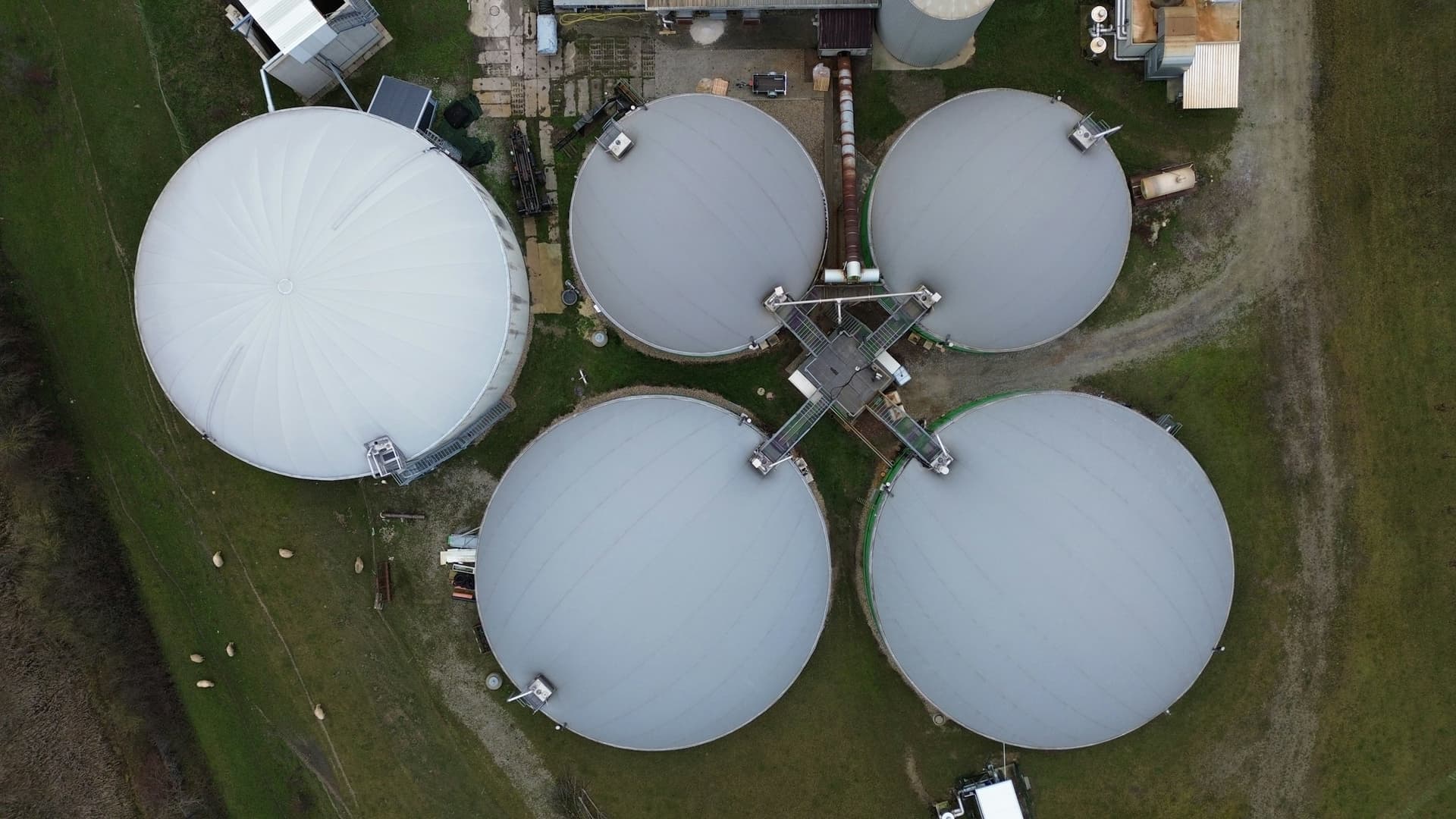
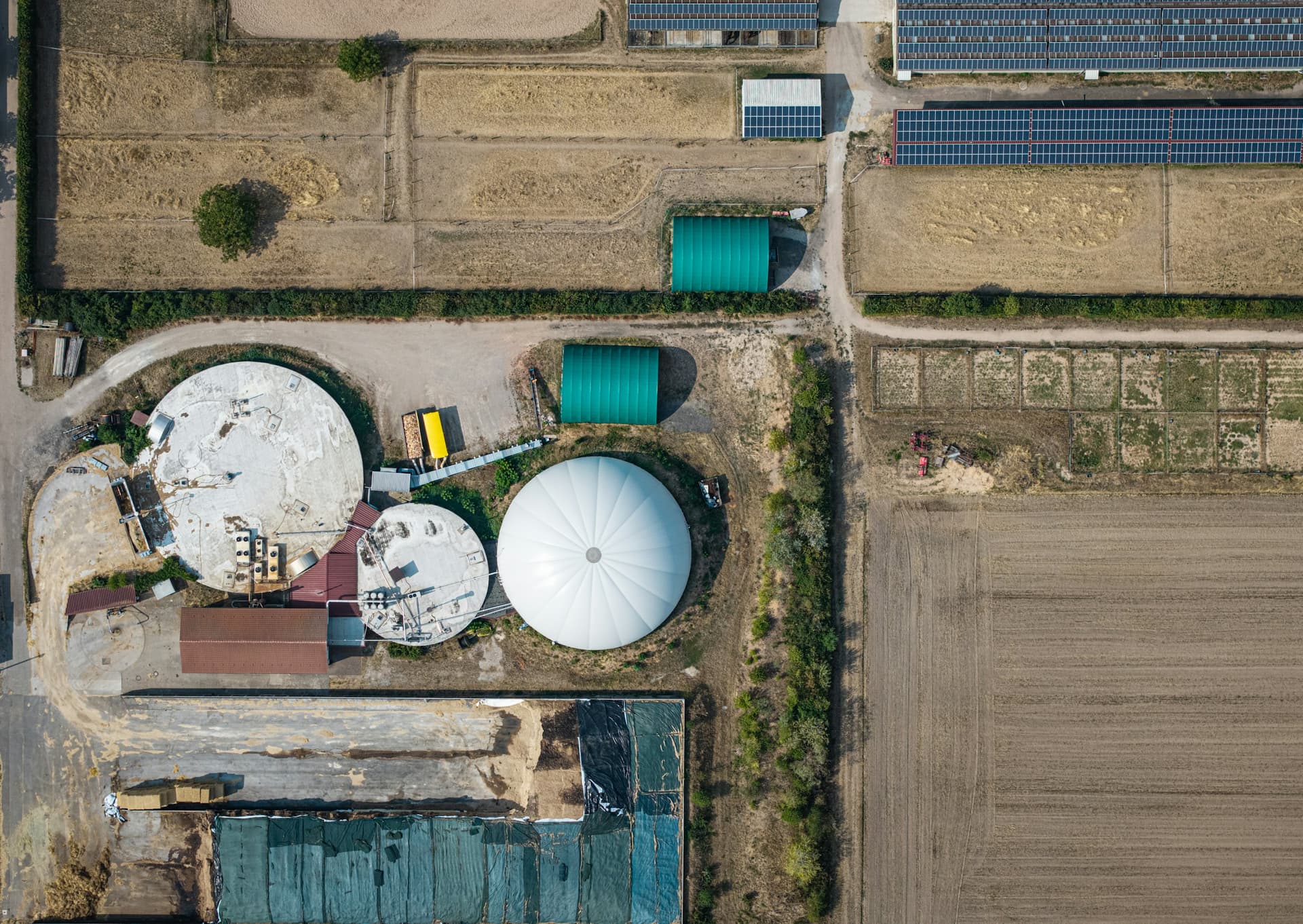
Press mud, cattle dung, crop residue, and food waste arrive on site and are pre-processed into a consistent slurry.
Methane purity
0%
Our approach
We don't work off templates. Every CBG project starts with what the site, the feedstock, and the numbers actually demand.
Digester type, feedstock mix, and site constraints mapped before any design is locked.
Mass balance, digester sizing, and equipment specification done right the first time.
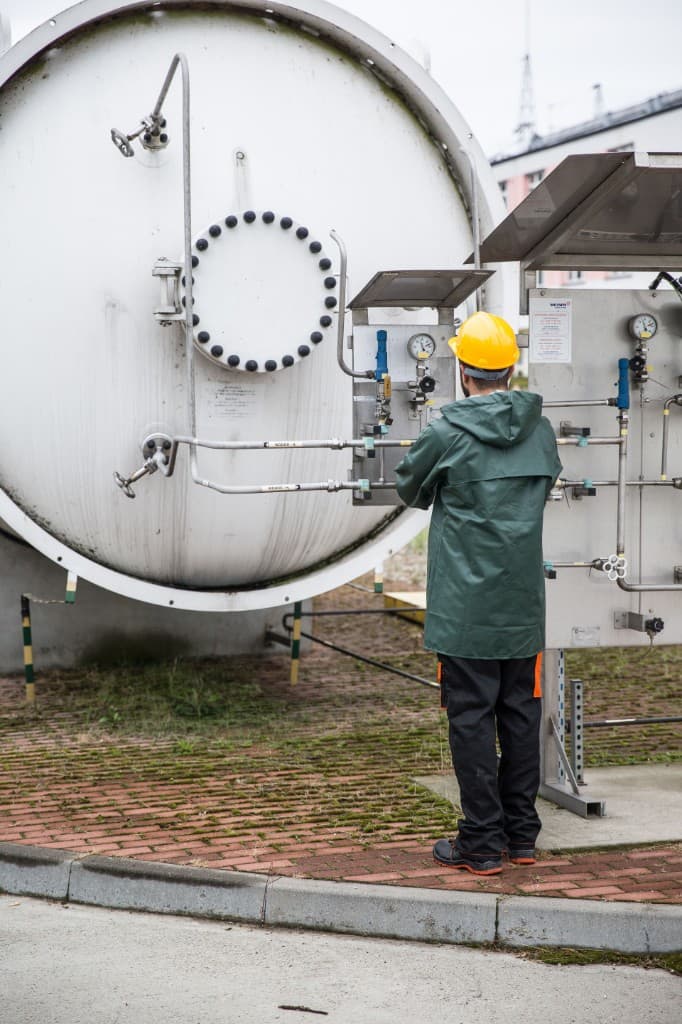
Full turnkey delivery, from feasibility through commissioning.
Site study, feedstock assessment, expected output, and a bank-ready project report.
Drawings, plant layouts, and technical calculations for safe, efficient operations.
Loan assistance, documentation, project financials, and subsidy applications.
High-quality equipment plus civil, mechanical, and electrical execution.
Pollution, fire, and gas-safety clearances, prepared and followed through.
Construction, trial runs, and handover of a production-ready plant.
Gas buyers (OMCs and CGDs), plus organic-manure and carbon-credit income.
Operations, operator training, and support for steady long-term output.
01 / 08
Crop-based feedstocks swing by season. We plan supply continuity and lock long-term Napier grass cultivation tie-ups.
No two feedstocks behave the same. Generic kit is a common cause of underperformance. Designs are built for the site and the mix.
A cheaper component often costs more in downtime than it saves on day one. We buy for uptime, not just the purchase order.
Long-term output depends on consistent operations, not a successful handover photograph.
The biggest risk in CBG isn't the technology. It's the risk nobody modeled for.