4 September 2026
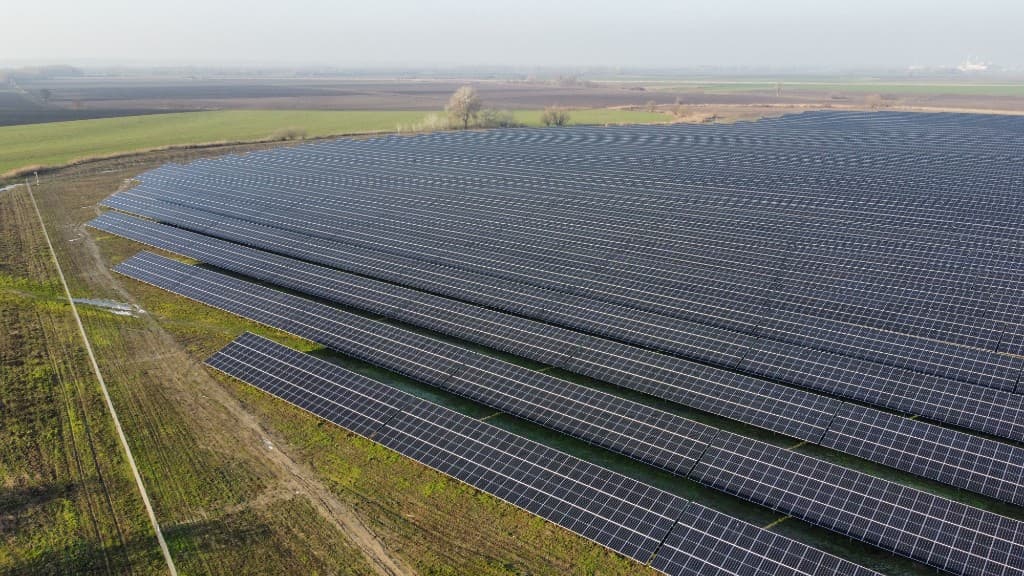
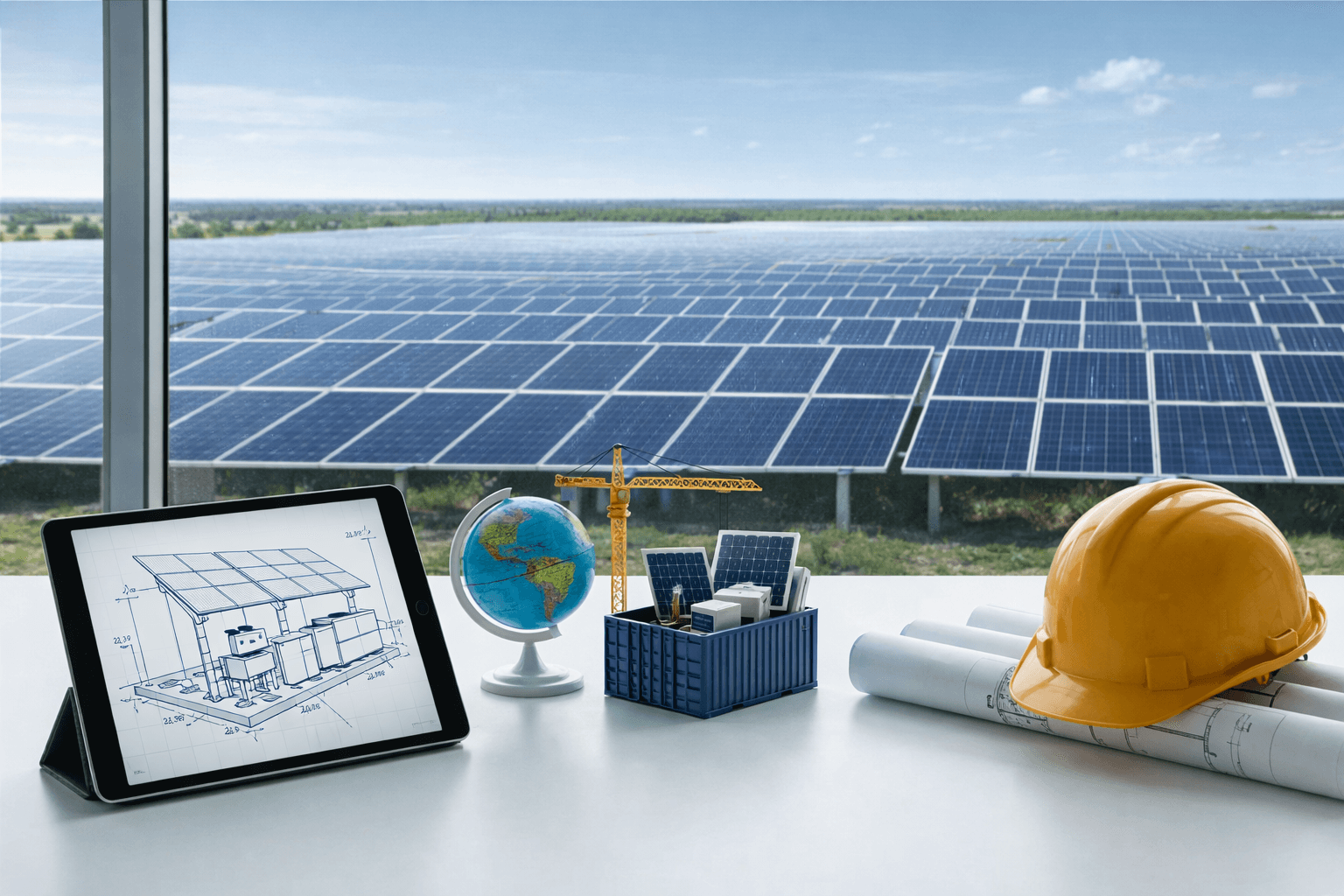
PM-KUSUM Solar EPC: What Building a Component A Plant Actually Involves
What a PM-KUSUM Component A solar EPC project actually involves: land and substation, PPA, financing, engineering, procurement, timelines, and where projects stall.
Read More17 August 2026
MSKVY 2.0 vs PM-KUSUM: Key Differences, Eligibility, Benefits & Which Scheme Is Right for You?
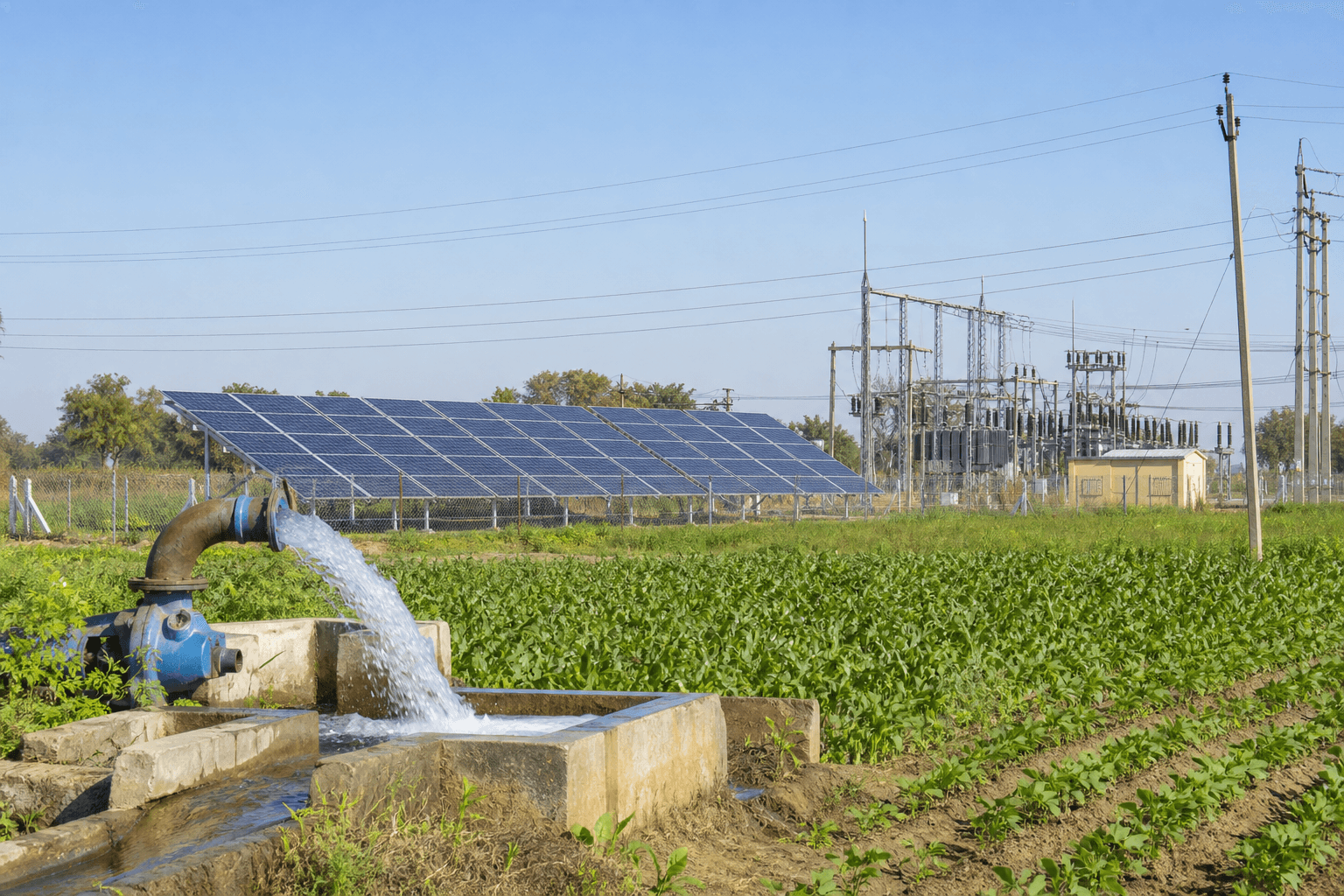
How India's two headline farm-solar schemes compare on objectives, eligibility, subsidy, PPAs, capacity and revenue - and which one fits developers, investors, EPC/EPCM firms, landowners and farmers.
Read More16 August 2026
Open Access Charges in India: The Cost Stack That Decides the Economics
Every charge that sits on top of the energy price - what each one is for, why the model and the state you're in decide whether open access actually pays, and what the ISTS waiver phase-out means for a project's numbers.
Read More15 August 2026
Open Access Models in India: Third-Party, Captive and Group Captive
One right of grid access, three very different ways to use it - how the models differ in ownership and cost, what the 26/51 rule requires, and what the Electricity (Amendment) Rules, 2026 changed.
Read More14 August 2026
Open Access, Explained: How India Opened Its Power Grid to Choice
What open access is, why the Electricity Act, 2003 created it, and how large consumers now buy electricity directly from a generator of their choice instead of only their local utility.
Read More6 August 2026
MSKVY 2.0 MoU Route: Eligibility, Documents and the Application Process
MSKVY 2.0 MoU route eligibility explained: ₹1 crore/MW net worth, liquidity tests, documents, fees, the 10-step application flow and technical requirements.
Read More5 August 2026
MSKVY 2.0 Explained: Maharashtra's Feeder Solarisation Scheme and the Two Ways In
MSKVY 2.0 explained: Maharashtra's 16,000 MW feeder solarisation scheme, the MoU and competitive bidding routes, current tariffs, and what developers need.
Read More4 August 2026
Solar EPC vs EPCM: Which Delivery Model Actually Fits Your Project?
Solar EPC vs EPCM compared: contract structure, cost mechanics, risk allocation and the project factors that decide which delivery model fits your solar project.
Read More3 August 2026
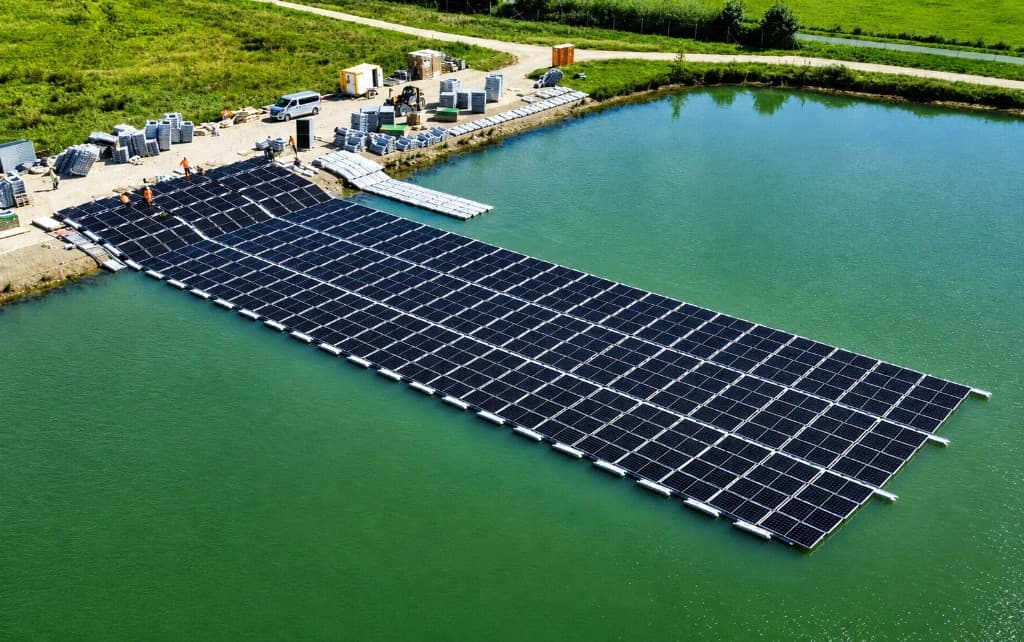
PM Surya Sarovar Yojana: India's ₹5,070 Crore Bet on Floating Solar, Explained
PM Surya Sarovar Yojana explained: ₹5,070 crore, 5,000 MW floating solar with storage, ₹1 crore/MW subsidy, eligibility and what developers should do next.
Read More15 April 2026
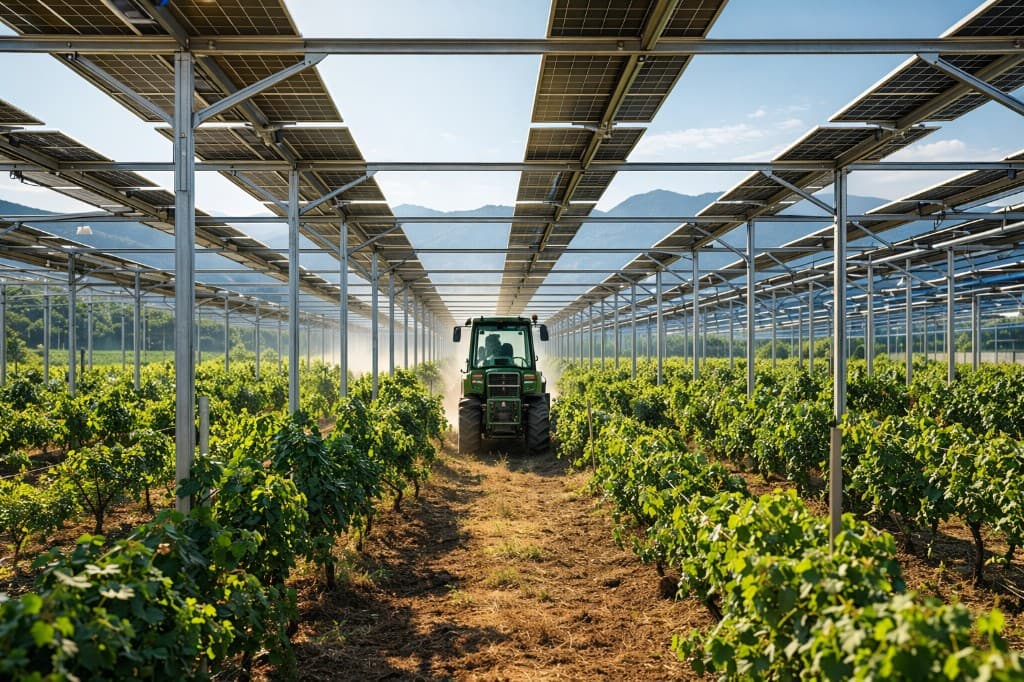
Agrivoltaics in India: A Data-Driven Approach to Dual Land Use
Agrivoltaics in India is redefining land utilization by combining solar power and agriculture. A data-driven analysis of potential, performance, and on-ground challenges.
Read More